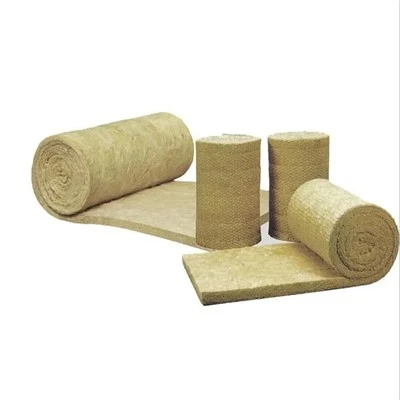
As a supplier of glass wool insulation, I’ve often been asked whether glass wool insulation can be used in commercial buildings. The answer is a resounding yes, and in this blog post, I’ll explore the reasons why glass wool insulation is an excellent choice for commercial structures. Glass Wool Insulation
Understanding Glass Wool Insulation
Glass wool is a type of insulation material made from fine fibers of glass. These fibers are produced by melting glass at high temperatures and then spinning it into a wool – like texture. The resulting material has several properties that make it suitable for a wide range of applications, including commercial buildings.
One of the key characteristics of glass wool insulation is its thermal insulation performance. It has a low thermal conductivity, which means it can effectively reduce the transfer of heat between the inside and outside of a building. In commercial buildings, this is crucial for maintaining a comfortable indoor temperature, whether it’s a large office complex, a shopping mall, or a hotel. By reducing heat transfer, glass wool insulation helps to lower the energy consumption of heating and cooling systems, leading to significant cost savings in the long run.
Energy Efficiency in Commercial Buildings
Energy efficiency is a top priority for commercial building owners and managers. Rising energy costs and increasing environmental concerns have made it essential to find ways to reduce energy consumption without sacrificing comfort or functionality. Glass wool insulation plays a vital role in achieving this goal.
In a commercial building, a significant amount of energy is used for heating and cooling. By installing glass wool insulation in the walls, roofs, and floors, the building’s thermal envelope is improved. This reduces the need for excessive heating in the winter and cooling in the summer. For example, in an office building, proper insulation can prevent heat loss during cold months, allowing the heating system to operate more efficiently. Similarly, in hot weather, it can block the entry of external heat, reducing the load on air – conditioning units.
According to industry studies, buildings with high – quality insulation can reduce energy consumption for heating and cooling by up to 30 – 40%. This not only translates into lower utility bills but also has a positive impact on the environment by reducing greenhouse gas emissions.
Acoustic Insulation
In addition to thermal insulation, glass wool also provides excellent acoustic insulation. In commercial buildings, noise can be a major problem, especially in open – plan offices, restaurants, and entertainment venues. Excessive noise can lead to decreased productivity, customer dissatisfaction, and even health issues for employees and visitors.
Glass wool insulation absorbs sound waves, reducing the transmission of noise between different areas of a building. For an open – plan office, it can prevent the spread of conversations and office equipment noise, creating a more peaceful working environment. In a restaurant, it can enhance the dining experience by reducing the noise from the kitchen and other patrons.
The acoustic performance of glass wool insulation is measured by its Noise Reduction Coefficient (NRC) and Sound Transmission Class (STC). Glass wool typically has a high NRC and STC, indicating its effectiveness in reducing noise levels. This makes it an ideal choice for commercial buildings where noise control is important.
Fire Resistance
Fire safety is a critical concern in commercial buildings. Glass wool insulation has inherent fire – resistant properties. It is non – combustible, which means it will not catch fire or contribute to the spread of flames in the event of a fire.
In a commercial setting, where there are often large numbers of people and valuable equipment, having a fire – resistant insulation material is essential. Glass wool can act as a barrier, slowing down the spread of fire and giving occupants more time to evacuate safely. It also helps to prevent the spread of smoke, which is often the most dangerous aspect of a fire in a building.
Many building codes and regulations require the use of fire – resistant insulation materials in commercial buildings. Glass wool insulation meets these requirements, making it a compliant and safe choice for construction projects.
Moisture Resistance
Moisture can cause a variety of problems in commercial buildings, including mold growth, structural damage, and reduced insulation performance. Glass wool insulation is designed to resist moisture. It is hydrophobic, which means it repels water and does not absorb it easily.
In areas where there is a risk of moisture, such as basements, bathrooms, and kitchens in commercial buildings, glass wool insulation can maintain its thermal and acoustic properties even when exposed to some level of humidity. This helps to prevent the growth of mold and mildew, which can be harmful to the health of building occupants and can also cause damage to the building structure over time.
Installation and Versatility
Glass wool insulation is relatively easy to install, which is an advantage for commercial construction projects. It can be installed in a variety of ways, including batts, rolls, and loose – fill. This versatility allows it to be used in different types of commercial buildings and in various construction applications.
For example, in a new commercial building project, glass wool batts can be easily installed in the wall cavities during the framing stage. In an existing building undergoing renovation, loose – fill glass wool can be blown into attics or wall spaces to improve insulation. The ease of installation also reduces labor costs and construction time, making it a cost – effective solution for commercial building owners.
Cost – Effectiveness
When considering insulation options for commercial buildings, cost is an important factor. Glass wool insulation offers a good balance between performance and cost. Compared to some other high – end insulation materials, glass wool is relatively affordable, especially when considering its long – term benefits.
The initial cost of installing glass wool insulation is reasonable, and the energy savings it provides over time can quickly offset the installation cost. Additionally, its durability means that it does not need to be replaced frequently, further reducing the overall cost of ownership for commercial building owners.
Environmental Considerations
Sustainability is becoming increasingly important in the construction industry, and glass wool insulation has several environmental benefits. It is made from recycled glass, which helps to reduce the demand for new raw materials and minimizes waste.
During its production, glass wool insulation also has a relatively low carbon footprint compared to some other insulation materials. And because it helps to reduce energy consumption in commercial buildings, it contributes to a more sustainable built environment by reducing greenhouse gas emissions.
Conclusion
In conclusion, glass wool insulation is an excellent choice for commercial buildings. Its thermal insulation, acoustic insulation, fire resistance, moisture resistance, ease of installation, cost – effectiveness, and environmental benefits make it a versatile and reliable solution for a wide range of commercial applications.
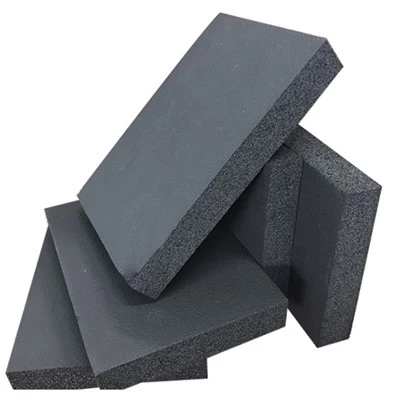
If you are a commercial building owner, developer, or contractor, and you are looking for an insulation material that can meet your needs, I encourage you to consider glass wool insulation. Our company is a leading supplier of high – quality glass wool insulation products. We can provide you with the right insulation solutions for your specific project requirements. Whether you need insulation for a new construction project or an existing building renovation, we have the expertise and products to help you achieve your goals.
Rock Wool Insulation Contact us today to start a conversation about your insulation needs. We are ready to assist you in making the best decision for your commercial building.
References
- "Insulation Handbook", National Insulation Association.
- "Energy Efficiency in Commercial Buildings", U.S. Department of Energy.
- "Fire Safety in Construction", International Code Council.
Langfang Yafeng Energy-Saving Technology Co., Ltd.
As one of the most professional glass wool insulation manufacturers and suppliers in China, we’re featured by quality products and good price. Please rest assured to buy bulk premium glass wool insulation for sale here from our factory. Welcome to view our website for more information.
Address: Langfang Xinyafeng, Liugezhuang Town, Dacheng County, Langfang City, Hebei Province
E-mail: yafengbaowen@gmail.com
WebSite: https://www.xyfinsulation.com/
