Hey everyone, let’s cut to the chase—if you’ve ever stood in an office supply store, scrolling through office chairs, or tried to customize your workspace, you’ve probably glanced at that big round metal (or plastic) thing holding up your chair: the base. Now, I get it—most folks see it as just a functional part, right? It’s there to keep your chair from tipping, hold the wheels, and support all your sitting. But here’s the thing I get asked all the time as an office chair base supplier: do these bases actually come in different colors? Office Chair Base
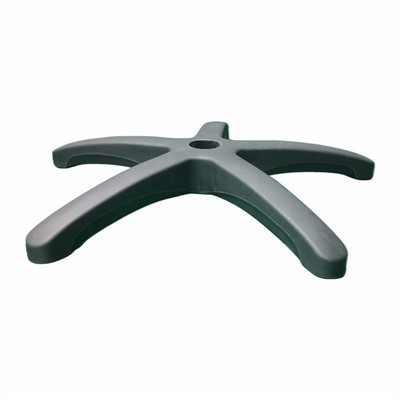
Short answer? ABSOLUTELY. But let me break this down like I would to a regular customer, not some stuffy industry report. A lot of people don’t realize how much work goes into color options for chair bases, and it’s not just “pick black or white.” There’s reasons companies choose certain colors, how we make them, and even why you might want to mix it up beyond the basic office gray.
First off, let’s talk about the two main types of chair bases you’ll find, because their color options tie into what they’re made of. 9 times out of 10, bases are either plastic (usually nylon) or metal (aluminum, steel, sometimes chrome-plated steel). Let’s start with nylon—super common for budget to mid-range chairs, and it’s where a lot of the fun color variety lives. Nylon is moldable, right? We mix pigments right into the nylon resin before it’s molded, so the color is all the way through, not just a thin paint layer that chips if you drag your chair too much. No one wants a chipped base, that’s a quick way to make a whole office look sloppy.
For nylon bases, you’re not stuck with black or white. We do every neutral you can think of—light gray, dark gray, beige, even off-white (ivory, for the fancy executive chairs that match light wood desks). But we also do more bold stuff if you want it: navy blue, forest green, burnt orange, even soft pastels like pale pink or mint. Wait, yeah, pastel pink bases—we did a big order for a creative agency last year, and it blew up on their Instagram. The designers loved how it didn’t clash with their bright desk accessories.
Now metal bases—those are the heavy-duty ones, for executive chairs, conference rooms, or people who need something that can hold 300+ pounds. For metal, the color options aren’t just paint, because metal needs a coating that’s durable enough to not scratch when you move the chair. The main finishes here are powder coating, which is way better than regular spray paint. Powder coating is a dry pigment that’s electrostatically charged so it sticks to the metal, then baked on—so it doesn’t chip or peel easily. For metal bases, you’ve got the classic chrome (super shiny, but it does show fingerprints—pro tip for conference rooms: have a microfiber cloth handy), but powder coating opens up so many options. We do black (matte, glossy, satin—yeah, different finishes even for the same color), gunmetal gray, bronze, silver, and even things like deep red, royal blue, and teal. If a company wants their whole conference table to have matching teal chairs, we can hook that up.
Wait, let’s get into why color options matter, because it’s not just aesthetics. A lot of office managers don’t realize that base color is part of workplace design. If you’re going for a minimalist, modern office, matte black or white bases are perfect—they blend in with clean lines. If you’re in a creative space, color-coding departments? Yeah, that’s a thing. We’ve had startups where the marketing team has blue bases, engineering has green, sales has red. It makes the space feel intentional, not just a bunch of generic chairs. Even for home offices—if your setup is all warm wood and neutral walls, a bronze or beige base can tie everything together, instead of a random black metal base sticking out like a sore thumb.
Now, let’s talk about some myths I hear all the time. First myth: “Colored bases are just for fancy chairs, they’re way more expensive.” Actually, that used to be true years ago, but now with better molding and powder coating tech, the price difference is minimal—like $10-$15 more per base, which is nothing if you’re outfitting a whole office. Second myth: “Colored nylon bases are flimsy.” No way. The pigment mixed in doesn’t affect the strength of the nylon at all. We test every base for weight capacity, and color doesn’t change that. Third myth: “Metal bases only come in chrome or silver.” Nope, like I said, powder coating lets us do almost any RAL color—you know, that standard color chart manufacturers use. If a designer sends us a Pantone code, we can match it. Last year we did a custom sage green metal base for a wellness company, because their whole brand is earthy and calm. It turned out great.
Here’s the thing we see as a supplier: a lot of people used to just go with black, because it’s safe, it doesn’t show dirt. But post-pandemic, home offices blew up, and people are way more personalizing their spaces. They don’t want a generic chair that looks like every other chair in their old cubicle. Also, hybrid work is here—companies are outfitting both in-office and work-from-home setups, so they want bases that work for both. An employee working from home might want a white base to match their light desk, while the conference room needs gunmetal to look professional.
Wait, let’s get into the process for making colored bases, because it’s not as simple as just adding paint. For nylon bases, we start with virgin nylon resin (no recycled stuff if we’re doing custom colors, because recycled can have inconsistent tones), then we add masterbatch—pigment that’s concentrated, so we get a uniform color. We test small batches first to make sure the color matches what the customer wants, before we do a full order. For powder-coated metal bases, we first sandblast the metal to get rid of any rust or imperfections, then apply the powder, bake it in an oven at like 400 degrees, so it cures and bonds to the metal. That’s why it’s durable—way more than spray paint, which can chip after a few months of dragging the chair.
Another thing: color fastness. No one wants a base that fades in the sun, right? If your office has big windows, sitting by them all day can make plastic or metal fade. We use UV-stabilized pigments for both nylon and powder coating, so the color stays true even in bright light. We had a customer who had an office with floor-to-ceiling windows, and their old black bases started looking gray after a year. We switched them to UV-stabilized matte black, and they’ve had them for two years, no fading. That’s a big one—cheap colored bases will fade, but ours don’t.
Let’s also talk about different use cases. For call centers, which use hundreds of chairs, they usually go for black because it’s easy to wipe down and doesn’t show coffee spills or scuffs. But if a call center has a fun, energetic vibe, they might go for bright blue or green bases to keep the team motivated. For educational spaces—classrooms, libraries—neutral or bold colors help kids or students tell their chair apart. No more fighting over which chair is yours when they all have different colored bases. For executive offices, bronze or gunmetal bases look way more premium than chrome, without being too flashy. We did a big order for a law firm, and they matched the bases to their dark wood desks—gunmetal gray was perfect, it looked sleek and professional, not too loud.
Wait, do people ever mix base colors with chair upholstery? Absolutely. For example, a fabric office chair with light gray upholstery paired with a beige nylon base. Or a leather executive chair with black upholstery and a bronze metal base. It’s all about cohesion. I had a customer last year who wanted pink bases for her small design studio—she had pastel pink fabric for the chairs, and the pink bases tied the whole look together. It was way more personalized than generic black.
Now, let’s get real—are there limits to color options? Sure, but not as many as you might think. For standard bases (the ones we keep in stock), we usually have 8-10 colors: black, white, light gray, dark gray, beige, chrome (for metal), matte black, gunmetal. But for custom orders, we can do almost any color you want—we’ve done everything from neon yellow (for a music studio, super fun) to deep maroon (for a fine art gallery’s office). The only thing to keep in mind is that very bright, neon colors might show scuffs more than dark or neutral ones, so they’re better for spaces where chairs aren’t dragged around a lot. But if you’re okay with a little wear and tear, neon bases add a cool, pop of personality.
I’ve been in the office chair base game for over 10 years now, and one of the biggest changes I’ve seen is how much more important color is to customers. Back when I started, everyone just wanted a black base, no questions asked. Now, people think about how the base fits into their whole space, their brand, their personal style. It’s not just a support part—it’s a design element.
If you’re out there shopping for office chairs, whether for your home office or a whole company, don’t sleep on the base color. Don’t just default to black. Think about your space: what colors are your walls, desks, brand colors? Do you want the base to blend in, or make a small statement? If you’re not sure, a matte neutral is always safe, but if you want something that feels like yours, go for a colored base. It’s a small change that makes a big difference.
If you’re looking for office chair bases in any color you can imagine, we’ve got you covered. We do standard stock bases and custom orders, all with durable materials, UV-stabilized colors, and weights that meet industry standards. Whether you’re outfitting a 10-person home office or a 500-person corporate space, we can get the right bases for you. Just reach out, tell me what you need, and we can hash out all the details—color, finish, quantity, whatever. No annoying hoops to jump through, just straight talk and solid bases.
Before I sign off, let me shoutout a few reliable sources I rely on for industry stuff about chair bases—no weird ads, just real info. First, the American National Standards Institute (ANSI) has specs for office chair durability, including bases, so I make sure all our products meet those. Then, the Office Products Association (OPA) does regular surveys on workspace trends, and they’ve noted that custom color chair bases are one of the fastest growing requests from businesses and individuals lately. Also, the International Organization for Standardization (ISO) has standards for material durability, which is why we use UV-stabilized pigments—they align with ISO’s color fastness guidelines. These organizations help us make sure we’re not just making pretty colors, but bases that actually work for years.
That’s all for now, thanks for sticking with me through this deep dive into chair base colors. Go check your own base—what color is it? Did you ever think about how many options there are? Let me know if you have any questions, or if you’re ready to order bases that fit your style. Catch you later!
Keycaps References:
American National Standards Institute (ANSI). (2021). Office Furniture Durability Standards for Seating.
Office Products Association (OPA). (2023). Workspace Design Trends Report: Customization in Seating Components.
International Organization for Standardization (ISO). (2022). ISO 20526: Furniture – Durability of Seating – Test Methods and Requirements.
Dongguan Weihong Furniture Co., Ltd.
As one of the most professional office chair base manufacturers and suppliers in China, we also support customized service. We warmly welcome you to buy high quality office chair base made in China here and get pricelist from our factory. For price consultation, contact us.
Address: No.145, Qingzhang Road, Changshantou Village, Qingxi Town, Dongguan City, Guangdong Province, China
E-mail: 1243042726@qq.com
WebSite: https://www.whfurni.com/
