If you’ve ever planned a large event—whether it’s a music festival, a corporate product launch, a trade show booth, or a high school graduation ceremony—you’ve probably agonized over one key question long before the first guest arrives: Will my rental LED displays be ready when I need them? For event organizers and production teams, especially those working on tight timelines, last-minute scrambles for display gear are nothing short of stressful. As a rental LED display provider that’s worked with event planners across North America for over a decade, I hear this question almost every day: How many rental LED displays do you actually have in stock for my specific event? Rental LED Display

It’s not a trivial question. A 2023 Event Leadership Institute survey found that 68% of event planners have had an event delayed or scaled back due to missing or insufficient audio-visual (AV) gear, and LED displays are one of the most requested pieces of AV equipment. But the answer isn’t as simple as a number on a spreadsheet. Stock for rental LED displays is dynamic—shifting daily based on recent returns, pre-booked projects, maintenance schedules, and custom configurations. Over the years, I’ve refined how we track and communicate stock to clients, and today I’m pulling back the curtain on how we answer that exact question for every event we work with.
First, let’s break down what “stock” actually means in the rental LED world. Unlike retail displays that sit on a shelf waiting for a single buyer, rental LED units are built, used, returned, refurbished, and re-rented constantly. Each display panel (the individual building block of a larger LED screen) is tracked like a piece of specialized equipment—we don’t just call them “units”; we label each one with a unique ID, log its resolution, pixel pitch, brightness rating, and any custom modifications (like curved frames, weatherproof casings for outdoor events, or high-brightness panels for direct sunlight).
Right now, as I write this on a Tuesday afternoon, our active stock includes roughly 12,000 individual LED panels, but that number shifts by 100+ units every hour. For example, a wedding production team just dropped off 120 2.6mm pixel pitch panels used for a ceremony stage on Saturday—those have been cleaned, tested for dead pixels, and added to our available stock list by 2 p.m. today. On the flip side, a music festival we’re supplying for in Chicago next month picked up 400 high-brightness 3.9mm panels at 10 a.m. this morning, so those are already marked as “pre-committed” even though they’re still physically in our warehouse. That’s the first key point: stock isn’t just a count of physical panels—it’s a count of panels that are free, tested, and not already reserved for another project.
But here’s the part that most event planners don’t realize: stock also depends on your specific event’s needs. A 10×20-foot screen for a corporate conference isn’t the same as a 50×30-foot main stage for a festival, and not all rental LED panels are created equal. Pixel pitch is a huge factor here. Pixel pitch is the distance between each LED chip, and it determines how clear the image is at different viewing distances. For example, an outdoor festival with a 50-foot viewing distance needs a 3.9mm or larger pixel pitch panel—any smaller, and the audience won’t notice a better image, but you’ll waste budget on more expensive, over-specified panels. A 2mm pixel pitch panel, on the other hand, is perfect for indoor conference spaces where guests are sitting 10 to 15 feet away, because it delivers sharp, crisp text and graphics at close range.
Last quarter, we worked with a tech startup that was launching a new smartphone at a trade show. They initially asked for 200 panels of 2.6mm pixel pitch, but after a site visit to the convention center, we realized their main booth screen would be 12×8 feet, and most attendees would view it from 12 feet away. We had extra 3.9mm panels in stock that would work just as well, and that freed up 80 of their requested 2.6mm panels for a smaller breakout room they almost forgot to plan for. That’s why when we answer “how many displays do you have in stock,” we first have to ask about your event details: what’s the venue? Indoor or outdoor? What’s the screen size you’re targeting? What’s the average viewing distance? Those questions narrow down the stock count to exactly what you need, not just a random number.
Another often-overlooked factor in stock availability is maintenance and refurbishment. No rental LED display is perfect, and to keep panels working reliably, we have a strict maintenance schedule that never slips. Every time a panel is returned from an event, our tech team runs a 20-point diagnostic test: checking for dead pixels, loose wiring, power supply functionality, and frame integrity. If a panel fails any part of the test, it’s sent to our repair bay, where we fix or replace any faulty parts before it’s added back to stock. During peak event season—April through October for outdoor events, and January through March for corporate conferences—our team repairs an average of 15 panels a week, so that’s a constant drain on available stock. Last spring, we had a spike in repair requests after a rainstorm damaged 30 waterproof panels for a music festival, which meant we had 30 fewer available panels for a nearby corporate summit that same week. That’s why it’s critical to book stock as early as possible—we can’t pull panels from a repair queue for a last-minute booking, no matter how big the event is.
Weatherproofing is another stock-specific detail that makes a huge difference for outdoor events. Most standard rental LED panels work fine in mild, dry conditions, but for events where there’s rain, high humidity, or extreme heat, you need IP65-rated panels. IP65 means the panels are dust-tight and can handle water jets from any direction, so they won’t short out during a sudden downpour. We keep a dedicated stock of IP65 panels, but that number is much smaller than our standard indoor panels—right now, we have 1,200 IP65 panels in stock, with only 350 available for new bookings this month. That’s a tiny fraction of our total stock, so if you’re planning an outdoor event, asking for IP65 panels late in the game means you might have to downsize your screen or pay a premium for last-minute rentals from other providers who often overpromise on stock availability.
I want to be clear: we’ve all seen that viral social media post of an event where the main stage screen went dark mid-performance because the supplier didn’t have enough working panels. That’s why our team tracks stock in real time using a custom inventory management system that’s updated every 15 minutes, not once a day. When a client reaches out with an event date, screen size, and pixel pitch request, our stock check pulls live data: how many panels of that exact pixel pitch are available, how many are reserved but not yet picked up (so we can reassign them if a booking falls through at the last minute), and how many are in maintenance and will be ready by your event date. For example, if a client calls in on June 1 for a July 15 event needing 100 3.9mm IP65 panels, our system will show that we have 75 available immediately, 20 that will be back from maintenance by July 10, and 5 that are reserved for a smaller event we’re willing to release if the client puts a 20% deposit down within 24 hours. That’s the kind of transparent, real-time stock info you won’t get from a supplier that uses static, outdated spreadsheets.
Over the years, we’ve also learned that stock availability isn’t just about numbers—it’s about flexibility. Event plans change all the time: a keynote speaker might decide to add a live Q&A that needs an extra screen, or a corporate team might realize their product display needs a curved screen instead of a flat one. Our stock system is built to handle those changes, because we often have extra panels on hand as “buffer stock” for last-minute adjustments. We keep about 10% of our total stock as buffer, so if a client’s needs shift, we can add panels without scrambling. Last month, a non-profit organization that was hosting a 5K run called us two weeks before the event to say they needed two extra small screens for the finish line, instead of the one they’d initially planned for. We pulled two panels from our buffer stock, and we didn’t have to adjust any other existing bookings for that weekend. That’s the value of working with a supplier that actually has the stock to handle changes, not just the ability to say “yes” to every request upfront.
Now, let’s talk about a common misconception: some event planners assume that if a supplier says they have “1,000 rental LED displays in stock,” they can get any number of panels for their event. But that’s misleading. For example, if a screen needs 100 panels to make a 10×10-foot display, and the supplier has 500 panels in stock, that’s great— but if those 500 panels are all different pixel pitches, or all in various stages of maintenance, they can’t be assembled into a single cohesive screen. That’s why we always provide a breakdown of stock: exact pixel pitch, panel condition, delivery timeline, and whether the panels have been tested and certified for your event’s needs. For a corporate event, we’ll also share a test report from our tech team showing that all panels are dead-pixel-free, which is a requirement for most convention centers.
As someone who’s been in this industry long enough to see events fall apart due to AV gear shortages, I’ll be honest: the only way to avoid stress around rental LED display stock is to plan ahead. But I also know that sometimes, events pop up unexpectedly— a last-minute concert, a surprise product launch, a community festival that needs a screen in two weeks. For those cases, we keep a small emergency stock of 200 high-demand panels, including 50 IP65 panels for outdoor events, that are held exclusively for urgent bookings. If you reach out with an urgent request, we’ll run a stock check immediately and let you know exactly how many panels we can make available, and if we can deliver them within your timeline.
At the end of the day, the question “how many rental LED displays are available for my specific event?” isn’t just about a number—it’s about reliability, transparency, and understanding that event needs vary widely. We’ve built our business on being honest with our clients: if we don’t have the exact panels they need in stock, we’ll tell them upfront, and we’ll help them find a solution that works, whether that means a different pixel pitch, a slightly smaller screen, or adjusting their event timeline to get the best available panels.
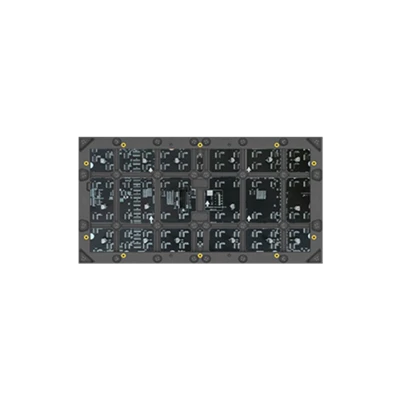
If you’re planning an event, whether it’s a small corporate meeting or a large outdoor festival, and you want clear, real-time information on our stock, don’t hesitate to reach out to our team for a consultation. We’ll ask you a few key questions about your event details, run our live stock check, and give you a straightforward answer that takes the stress out of booking your rental LED displays.
COB LED Display References
- Event Leadership Institute. (2023). 2023 AV & Event Technology Survey Report.
- Rental and Staging Association. (2022). Best Practices for LED Display Rental Inventory Management.
- InfoComm International. (2021). Outdoor Event AV Safety and Specification Guide.
- LED Professional Association. (2023). Pixel Pitch and Display Visibility Guidelines for Event Settings.
LiKYLIN (Chongqing) Intelligent Technology Co., Ltd.
As one of the most professional rental led display manufacturers and suppliers in China, we’re featured by quality products and low price. Please rest assured to wholesale advanced rental led display in stock here and get free sample from our factory. We also accept customized orders.
Address: Building 1, No.57, Jinfu Blvd, Gu’nan Street, Qijiang District, Chongqing, China
E-mail: marketing@likylin-led.com
WebSite: https://www.cqlikylinled.com/
