Hey there, Heat Resistant Plastic
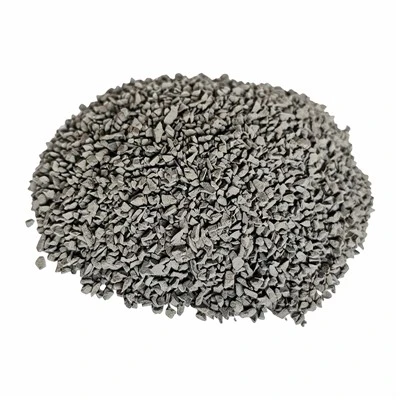
If you’ve ever worked with heat-resistant plastics—whether you’re a manufacturing engineer, a product designer, or someone who just specs parts for a living—you know that stuff is magic. It can handle high temps that would make regular old plastic melt like ice cream on a sidewalk, right? But here’s the thing that a lot of people sleep on: moisture. I can’t tell you how many times I’ve gotten a call from a client panicking because their heat-resistant plastic parts started failing mid-production, and when we dig into it, moisture was the culprit. Not heat. Not a bad material choice. Just water.
Let me break this down without making your eyes glaze over with jargon. I’m not a PhD (though I play one at the office when a client’s stuck), but I’ve been supplying heat-resistant plastics for 12 years, so I’ve seen more weird, moisture-related issues than I can count. First off, why does moisture even get into these plastics? I know, they’re supposed to be tough, water-resistant, whatever. But most heat-resistant plastics—think nylons, polycarbonates, PEEK, even some high-heat polypropylenes—are hygroscopic. That’s a fancy word for “they like water.” Not all of ’em, but a lot of the ones we sell are. Nylon, for example, can absorb up to 10% of its weight in water if you leave it sitting in a humid warehouse for a few weeks. PEEK absorbs less—like less than 1%—but that’s enough to mess things up if you’re running parts at 300°F+ for hours.
Here’s where the problem happens: when you heat up plastic that has moisture trapped inside, that water turns to steam. Steam expands. Fast. If the plastic is solid and the steam can’t escape, it creates little bubbles—we call them “voids” or “blisters” in the trade. I had a client last year who was making small heat-resistant housings for kitchen appliances. They bought standard nylon pellets, stored them in a leaky warehouse bin for a month, then ran them through an injection molder at 500°F. Every third part came out with a bubble on the inside that would eventually cause the housing to crack when the appliance got hot. They thought the molder was messed up, or the material was bad. Turned out they just needed to dry the pellets before using ’em. Duh.
It’s not just immediate bubbling, either. Moisture makes the plastic weaker over time, even if you don’t notice it right away. When water molecules get between the polymer chains that make the plastic strong, they act like little lubricants. So when you stress the part—like putting it under pressure in a car engine, or exposing it to repeated heat cycles—the chains slide apart easier. That’s called “hydrolytic degradation,” and it’s a big deal for parts that need to last. Another client of ours makes industrial gears for heavy machinery. They were using untreated PEEK and had gears failing after a few months of use, not the projected three years. We suggested pre-drying the PEEK pellets for 12 hours at 250°F before processing, and now those gears are going strong for 18+ months. No joke.
Wait, but not all heat-resistant plastics are hygroscopic, right? Some are hydrophobic—they hate water, don’t absorb it at all. Like certain high-heat fluoropolymers, or maybe some specialty polyimides. But even those can have surface moisture that causes issues. If you spray heat on a part with water on the surface, the water evaporates fast, and if it’s a thin part, it can cause thermal shock. We had a customer who was machining thin polycarbonate heat shields and rinsed them with water to get rid of metal shavings before putting them in an oven. The water on the surface boiled off so fast that the shield cracked down the middle. Even non-hygroscopic materials can have surface moisture problems—don’t sleep on that, either.
Here’s the thing: most people don’t know about the drying step. When they order heat-resistant plastic pellets, they take ’em straight out of the bag and run ’em through the molder. But if the bag’s been sitting in a humid spot, or if it wasn’t sealed right at the factory, there’s moisture in there. That’s why we always include drying instructions with every order, but I swear some people skip ’em because it’s “extra work.” Let me tell you, that extra 12 hours of drying is way cheaper than re-running production, scrapping bad parts, or losing a client over failed products.
I also want to mention how storage plays into this. If you get your pellets in, and you don’t have a sealed, climate-controlled bin to keep ’em dry, they’ll absorb moisture over time. Even in a dry climate, humidity fluctuates. We’ve seen warehouses where the humidity jumps from 30% to 70% in a week, and pellets absorb way more water than they should. So storage is just as important as processing. If you’re keeping heat-resistant plastics around, keep ’em in sealed desiccant bins. Don’t just leave them on a shelf in a cardboard box. Cardboard lets moisture in. Duh.
Now, let’s talk about how we handle this at our shop. Since we’re a heat-resistant plastic supplier, we don’t just send out pellets—we’ve got a whole process to make sure what you get is ready to use. All our hygroscopic materials get a quick pre-dry before shipping? No, wait, not exactly—wait, no, actually, we recommend that our clients do the final drying based on their processing time and environment. But we do include a spec sheet for every material that tells you exactly how long to dry it, at what temp, and what moisture level is acceptable. For nylons, it’s usually 8-12 hours at 175-200°F, for PEEK it’s 10-14 hours at 250°F, and for the more hydrophobic stuff, maybe just a 2-hour blow-off to get surface moisture.
We also do a little test here: every month, we take samples of our most popular materials, test their moisture content (we use a quick analyzer that gives us a reading in 10 minutes), and adjust our storage bins if something’s off. Last quarter, we noticed our nylon 6/6 had a moisture level 0.5% higher than it should be—turned out one of our bins had a small tear in the seal. Fixed that fast, and the next batch was perfect. It’s the small stuff that trips you up.
I know a lot of you are probably thinking, “Why not just use a moisture-resistant plastic so I don’t have to deal with this?” And yeah, that’s an option, but moisture-resistant plastics have their own downsides. They might not handle as high heat, or they might be more expensive, or they might not have the strength you need for your application. It’s all a trade-off, and that’s where we come in—we can help you pick the right material, and the right processing steps, to avoid moisture issues without overspending.
Wait, let’s get back to that client I mentioned earlier with the kitchen appliance housings. They called me a few months later to say they were saving $15k a month by drying their pellets instead of scrapping bad parts. That’s the kind of win we love to see. Another client, who makes medical device parts—those have super strict requirements for no defects—told us that since they started following our drying guidelines, their part failure rate dropped from 4% to less than 0.5%. That’s huge for medical stuff, because even a tiny defect can be dangerous.
Is there any way moisture can affect heat-resistant plastics after they’re made? Like, once the part is already in use? Yeah, actually. If a part is exposed to high heat and humidity for a long time, even if it’s non-hygroscopic, surface moisture can cause oxidation. Not as bad as hydrolytic degradation, but over years, it can weaken the outer layer of the plastic. For example, parts that are used in outdoor industrial equipment—like heat shields on farm machinery, or components in HVAC systems that are exposed to rain and sun—can start to look chalky or brittle over time because of moisture and heat working together. We’ve got a couple of UV-stabilized, moisture-resistant heat-resistant plastics that are perfect for that kind of application, but it’s still something to keep in mind when spec’ing parts.
I think the biggest takeaway here is this: moisture isn’t just a “nice to worry about” thing—it’s a critical factor that can make or break your heat-resistant plastic parts. You can have the best material, the best processing machine, the best design, but if you ignore moisture, you’re going to have problems. And not just small problems—big, expensive problems that eat into your profits and stress you out.
At the end of the day, we’re here to help. We don’t just send you a box of pellets and disappear. We answer calls at 8 PM when your molder is acting up, we send you free sample parts to test, we even help you figure out the right drying setup if you don’t have one. If you’re dealing with heat-resistant plastics and you’ve been having issues with moisture (or you just want to make sure you’re doing everything right), hit us up. We can chat through your specific application, walk you through the drying steps, and make sure you get the right material for your job.

Don’t let moisture ruin your parts or your production line. A little attention to this detail goes a long way.
Phenolic Resin References:
- Polymeric Materials: An Introduction, R.B. Seymour and C.E. Carraher Jr., CRC Press, 2001.
- Effect of Moisture on the Properties of Heat-Resistant Engineering Plastics, Journal of Applied Polymer Science, Vol. 115, No. 3, 2010.
- Processing Guidelines for Hygroscopic Polymers, Society of Plastics Engineers (SPE), 2018.
- Hydrolytic Degradation of PEEK and Related Polymers, Polymer Degradation and Stability, Vol. 97, No. 10, 2012.
Zhejiang Nansu Synthetic Materials Co., Ltd.
With abundant experience, we are one of the most professional heat resistant plastic manufacturers and suppliers in China. Please rest assured to wholesale high quality heat resistant plastic in stock here and get pricelist from our factory. Customized orders are welcome.
Address: No. 7 Longquan Road, Chengdong Industrial Park, Xiangshan Economic Development Zone, Xiangshan County, Ningbo City, Zhejiang Province
E-mail: 3488693263@qq.com
WebSite: https://www.nasopf.com/
