Can Mica Paper be used in circuit boards? Mica Paper
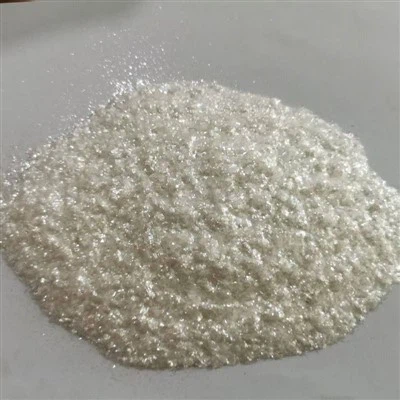
As a supplier of mica paper, I’ve encountered numerous inquiries regarding the potential application of mica paper in circuit boards. This topic is not only of great interest to those in the electronics industry but also crucial for the future development of high – performance and reliable circuit board technology. In this blog, I will delve into the properties of mica paper, analyze its suitability for circuit board use, and explore the challenges and opportunities that come with this application.
Properties of Mica Paper
Mica paper is manufactured from natural mica flakes that have been processed and transformed into a paper – like material. It retains many of the excellent properties of natural mica, making it a unique and valuable material in various industrial applications.
Electrical Insulation
One of the most prominent features of mica paper is its outstanding electrical insulation properties. Mica has a high dielectric strength, which means it can withstand high voltages without breaking down and conducting electricity. This property is essential for circuit boards, where preventing electrical short – circuits is of utmost importance. In high – voltage power electronics and electrical equipment, the ability of mica paper to insulate effectively helps to ensure the safe and stable operation of circuits.
Thermal Resistance
Mica paper also exhibits remarkable thermal resistance. It can maintain its physical and electrical properties at relatively high temperatures. In circuit boards, especially those used in high – power applications such as in power supplies, electric vehicles, and aerospace electronics, heat generation is a significant issue. Mica paper’s ability to withstand high temperatures without degrading can prevent the overheating of components and extend the lifespan of the circuit board.
Chemical Stability
Mica paper is chemically stable and resistant to many chemicals, including acids and alkalis. This makes it suitable for use in harsh environments where the circuit board may be exposed to chemical contaminants. For example, in industrial control systems installed in chemical plants or oil refineries, the chemical stability of mica paper can protect the circuit board from corrosion and damage, enhancing its reliability and durability.
Mechanical Flexibility
Despite its strength and stability, mica paper can also offer a certain degree of mechanical flexibility. This is beneficial in applications where the circuit board needs to be bent or shaped, such as in flexible electronics or wearable devices. The flexibility allows for more creative and compact designs of circuit boards, meeting the evolving needs of modern electronic products.
Suitability of Mica Paper for Circuit Boards
Based on the above – mentioned properties, mica paper has several advantages when it comes to circuit board applications.
High – Voltage and High – Power Circuits
In high – voltage and high – power circuit boards, the excellent electrical insulation and thermal resistance of mica paper make it an ideal candidate. For example, in high – voltage power transformers and switchgear, mica – based insulation materials are commonly used to ensure the safe operation of electrical systems. Mica paper can be used as an inter – layer insulation material in multi – layer circuit boards, effectively preventing electrical breakdown between different layers.
Harsh Environment Applications
Circuit boards used in harsh environments, such as in automotive under – hood electronics, aerospace, and industrial automation, face challenges such as high temperatures, chemical exposure, and mechanical vibrations. Mica paper’s chemical stability and thermal resistance can protect the circuit board from these adverse conditions, improving its performance and reliability.
Flexible and Wearable Electronics
The mechanical flexibility of mica paper enables its use in flexible and wearable electronics. As the demand for these types of devices continues to grow, mica paper can provide a reliable and high – performance insulation solution for flexible circuit boards. It allows for the development of more comfortable and functional wearable devices, such as smartwatches and fitness trackers.
Challenges in Using Mica Paper in Circuit Boards
However, despite its numerous advantages, there are also some challenges in using mica paper in circuit boards.
Manufacturing Compatibility
Integrating mica paper into the existing circuit board manufacturing processes can be challenging. The traditional circuit board manufacturing processes are mainly designed for materials such as fiberglass – reinforced epoxy resin. Mica paper may require different processing techniques, such as special lamination methods and drilling procedures. This can increase the complexity and cost of manufacturing.
Cost
Compared with some commonly used circuit board materials, mica paper is relatively expensive. The raw materials (natural mica) and the manufacturing process of mica paper contribute to its higher cost. This cost factor can limit its widespread adoption in the mass – market consumer electronics segment, where cost – effectiveness is a crucial consideration.
Availability
The supply of high – quality mica paper can be affected by the availability of natural mica. As the mining of natural mica is subject to environmental and regulatory constraints in some regions, ensuring a stable supply of mica paper can be a challenge. This may lead to potential supply chain disruptions, which is a concern for circuit board manufacturers.
Opportunities in the Market
Despite the challenges, there are still significant opportunities for using mica paper in circuit boards.
Increasing Demand for High – Performance Electronics
With the continuous development of the electronics industry, there is a growing demand for high – performance circuit boards. Applications such as 5G communication, artificial intelligence, and electric vehicles require circuit boards that can operate at higher speeds, handle more power, and withstand more extreme conditions. Mica paper’s unique properties can meet these requirements, presenting a great opportunity for its use in high – end circuit board applications.
Advancements in Manufacturing Technology
As manufacturing technology continues to advance, the challenges related to the integration of mica paper into circuit board manufacturing processes may be overcome. New lamination techniques and machining processes are being developed, which can improve the compatibility of mica paper with existing manufacturing lines and reduce the manufacturing cost.
Growing Awareness of Environmental and Safety Standards
There is an increasing awareness of environmental and safety standards in the electronics industry. Mica paper is a natural and relatively environmentally friendly material compared to some synthetic materials used in circuit boards. Its high thermal resistance and electrical insulation properties also contribute to the safety of electrical systems. As a result, more and more manufacturers are looking for sustainable and safe alternatives for circuit board materials, creating an opportunity for mica paper.
Conclusion
In conclusion, mica paper has great potential for use in circuit boards due to its excellent electrical insulation, thermal resistance, chemical stability, and mechanical flexibility. Although there are challenges in terms of manufacturing compatibility, cost, and availability, the increasing demand for high – performance electronics, advancements in manufacturing technology, and growing awareness of environmental and safety standards are creating opportunities for its wider adoption.

If you are a circuit board manufacturer or involved in the electronics industry and are interested in exploring the use of mica paper in your products, I encourage you to get in touch with me. We can have a detailed discussion about your specific requirements and how our high – quality mica paper can meet them. I look forward to the opportunity to work with you and contribute to the development of high – performance and reliable circuit boards.
Cat Litter References
- Handbook of Electrical Insulating Materials, edited by H. M. Lee
- Electrical Engineering Materials textbook, written by David Jiles
Lingshou County LM Mineral Products Co., Ltd.
Address: Dongzhuang Village, Nanyanchuan Township, Lingshou County, Shijiazhuang City, Hebei Province
E-mail: lmwtwz@163.com
WebSite: https://www.lmwtz.com/
