Hey there! I’m a supplier of epoxy bushings, and today I wanna chat about the electrical conductivity of these nifty things. Epoxy Bushing
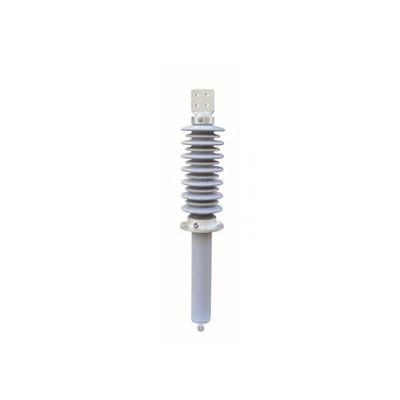
First off, let’s get a basic idea of what an epoxy bushing is. You can think of it as a kind of insulating component that’s used in electrical systems. It’s made from epoxy resin, which is a super – versatile material. Epoxy resin has some great properties like high mechanical strength, good chemical resistance, and, of course, insulation capabilities.
So, what exactly is electrical conductivity? Well, it’s a measure of how easily an electric current can flow through a material. Think of it like water flowing through a pipe. A material with high electrical conductivity is like a big, wide pipe that lets water rush through easily. On the other hand, a material with low electrical conductivity is like a narrow or blocked pipe that makes it tough for the water to get through.
Now, when it comes to epoxy bushings, their main job is to act as insulators. That means they’re supposed to have low electrical conductivity. You don’t want electricity to just zip through them willy – nilly. If that happened, it could lead to all sorts of problems in an electrical system, like short circuits, power losses, and even safety hazards.
The electrical conductivity of an epoxy bushing is influenced by a bunch of factors. One big factor is the type of epoxy resin used. There are different grades and formulations of epoxy resin out there. Some are designed to have even better insulating properties than others. For example, high – purity epoxy resins usually have lower electrical conductivity because they have fewer impurities that could act as pathways for electric current.
Another factor is the curing process. When the epoxy resin is cured to form the bushing, the way this is done can have a huge impact on the electrical conductivity. If the curing isn’t done right, say the temperature is too high or too low during the process, it can cause the formation of defects or voids in the bushing. These defects can act as little channels for the electric current, increasing the electrical conductivity of the bushing.
The presence of fillers in the epoxy bushing also matters. Sometimes, fillers are added to epoxy resin to improve certain properties like mechanical strength. But the wrong kind or amount of filler can mess with the electrical conductivity. For instance, if the filler is a conductive material, like metal particles, it can increase the overall electrical conductivity of the bushing. So, as a supplier, we have to be really careful about what fillers we use and how much of them we add.
The environment in which the epoxy bushing operates is another crucial factor. Things like temperature, humidity, and the presence of chemicals can all affect the electrical conductivity. As the temperature goes up, the electrical conductivity of most materials, including epoxy bushings, tends to increase. That’s because the heat gives the electrons in the material more energy to move around. High humidity can also be a problem. Moisture can seep into the bushing and cause a small amount of ion movement, which can increase the electrical conductivity. And if the bushing is exposed to certain chemicals, those chemicals might react with the epoxy resin and change its electrical properties.
As a supplier, I know how important it is to control all these factors to make sure our epoxy bushings have the right electrical conductivity. We have a strict quality control process in place. First of all, we carefully select the epoxy resin. We work with reliable suppliers who can provide us with high – quality resin that has consistent properties.
During the manufacturing process, we pay close attention to the curing conditions. We use specialized equipment to monitor and control the temperature, pressure, and time during curing. This helps us ensure that the bushing is cured properly and has a uniform structure with low electrical conductivity.
When it comes to fillers, we do a lot of testing to find the right combination. We want to add just enough filler to improve the mechanical properties without sacrificing the insulating performance. We also test the bushings in different environmental conditions to see how they hold up. This allows us to tell our customers what the expected performance of the bushings will be in real – world situations.
So, if you’re in the market for epoxy bushings, electrical conductivity is something you really need to consider. You don’t want to end up with a bushing that has too high of an electrical conductivity, as it won’t do its job of insulating properly. And that can cost you a lot in terms of equipment damage and lost productivity.
At our company, we’re committed to providing high – quality epoxy bushings with the right electrical conductivity for your specific needs. Whether you’re working on a small electrical project or a large industrial application, we’ve got the expertise and the products to meet your requirements.
If you’re interested in learning more about our epoxy bushings or want to discuss a potential purchase, don’t hesitate to reach out. We’re here to answer all your questions and help you find the perfect solution for your electrical insulation needs.
Transformer Valve References
- Electrical Insulation Handbook, McGraw – Hill
- Handbook of Epoxy Resins, Lee and Neville
Hebei Anmei Electrical Equipment Co., Ltd.
Hebei Anmei Electrical Equipment Co., Ltd. is one of the most professional epoxy bushing manufacturers and suppliers in China, specialized in providing high quality products and service. Please feel free to buy customized epoxy bushing made in China here from our factory. Contact us for quotation.
Address: Hejian Yingzhou Economic Development Zone, Cangzhou City, Hebei Province
E-mail: sales@anmeielec.com
WebSite: https://www.anmeibushing.com/
