Achieving and maintaining proper engine compression is a critical aspect of aircraft engine performance, safety, and efficiency. As a reliable supplier of aircraft engine seals, I have witnessed firsthand the pivotal role these seals play in this complex process. In this blog, I will delve into the science behind how aircraft engine seals ensure proper engine compression, exploring the various types of seals, their working principles, and the challenges they face. Aircraft Engine Seal

The Basics of Engine Compression
Before we discuss the role of seals, it’s essential to understand the concept of engine compression. In an aircraft engine, compression is the process of reducing the volume of the air – fuel mixture (in a piston engine) or just air (in a jet engine) before combustion. This increase in pressure and temperature enhances the efficiency of the combustion process, which in turn drives the engine’s power output.
In a piston engine, the compression ratio is defined as the ratio of the volume of the cylinder when the piston is at the bottom of its stroke (bottom – dead – center, BDC) to the volume when the piston is at the top of its stroke (top – dead – center, TDC). A higher compression ratio generally means more power and better fuel efficiency, but it also requires more precise control.
In a jet engine, compression is achieved through a series of compressors that progressively increase the pressure of the incoming air. This high – pressure air is then mixed with fuel and ignited, creating a high – velocity exhaust stream that propels the aircraft forward.
Types of Aircraft Engine Seals and Their Functions
There are several types of seals used in aircraft engines, each designed to perform a specific function in maintaining engine compression.
Piston Rings
In piston engines, piston rings are a crucial type of seal. They are installed in grooves around the piston and serve multiple purposes. Firstly, they provide a seal between the piston and the cylinder wall, preventing the high – pressure gases in the combustion chamber from leaking into the crankcase during the compression and power strokes. This ensures that the maximum pressure is exerted on the piston to generate power.
Secondly, piston rings help in controlling the oil supply to the cylinder wall. They scrape excess oil from the wall on the downstroke, preventing it from entering the combustion chamber where it could cause fouling and inefficient combustion. Materials used for piston rings are carefully selected to withstand high temperatures, pressures, and wear. Typically, cast iron or steel alloys are used, which are coated with special materials like chromium or nickel to improve their durability.
Shaft Seals
Shaft seals are used to prevent the leakage of fluids (such as oil) and gases along rotating shafts. In an aircraft engine, there are numerous shafts, such as the spool shafts in a jet engine or the crankshaft in a piston engine. Shaft seals are designed to maintain a tight seal even when the shaft is rotating at high speeds.
There are two main types of shaft seals: contact seals and non – contact seals. Contact seals, such as lip seals, have a flexible lip that presses against the shaft, creating a barrier to fluid leakage. Non – contact seals, like labyrinth seals, rely on a series of迷宫 – like passages to create a tortuous path for the fluid or gas, reducing the leakage rate. Labyrinth seals are particularly useful in high – speed applications as they do not generate as much friction as contact seals.
Turbine and Compressor Seals
In jet engines, turbine and compressor seals are vital for maintaining the high – pressure differentials across the various stages of the engine. Compressor seals prevent the high – pressure air from leaking out between the compressor stages, ensuring that the air is effectively compressed before entering the combustion chamber. Turbine seals, on the other hand, prevent the hot gases from leaking past the turbine blades and into the cooler parts of the engine, which could lead to reduced efficiency and potential damage.
These seals are often made from advanced materials such as ceramics or superalloys to withstand the extreme temperatures and pressures present in the turbine and compressor sections. They are also designed to be aerodynamically efficient to minimize any disruption to the airflow within the engine.
Working Principles of Aircraft Engine Seals
The working principles of aircraft engine seals can be broadly classified into mechanical sealing and fluid – film sealing.
Mechanical Sealing
Mechanical seals rely on physical contact between two surfaces to create a seal. For example, piston rings use the pressure exerted by the piston on the cylinder wall to maintain a tight seal. The rings are designed to have a specific radial tension, which ensures that they stay in contact with the cylinder wall even under high – pressure conditions.
In contact shaft seals, such as lip seals, the flexible lip is designed to press against the shaft with a certain amount of force. This creates a mechanical barrier that prevents the leakage of fluids. However, mechanical seals are subject to wear over time due to the contact between the sealing surfaces, which can lead to a decrease in sealing effectiveness if not properly maintained.
Fluid – Film Sealing
Fluid – film sealing, also known as hydrodynamic sealing, relies on the formation of a thin film of fluid between the sealing surfaces. In non – contact seals like labyrinth seals, the fluid (usually air or oil) forms a series of pressure barriers within the迷宫 – like passages. This fluid film acts as a buffer, reducing the leakage rate without the need for direct contact between the surfaces.
Fluid – film sealing is more suitable for high – speed and high – temperature applications as it reduces friction and wear. However, it requires precise design and manufacturing to ensure that the fluid film is stable and can effectively prevent leakage.
Challenges Faced by Aircraft Engine Seals
Aircraft engine seals operate in extremely harsh environments, which pose significant challenges to their performance and longevity.
High Temperatures
In the combustion chamber of a jet engine, temperatures can reach over 2000 degrees Celsius. Seals in this area must be able to withstand these extreme temperatures without melting or losing their sealing properties. This requires the use of high – temperature – resistant materials such as ceramics and superalloys, as well as advanced cooling techniques to prevent overheating.
High Pressures
The compression process in an aircraft engine generates extremely high pressures. Seals must be able to withstand these pressures without deforming or allowing leakage. For example, in a high – bypass turbofan engine, the pressure ratio across the compressor can be as high as 40:1. Seals need to be designed to handle these pressure differentials and maintain their integrity.
Wear and Erosion
The constant movement of engine components and the flow of high – velocity fluids and gases can cause wear and erosion on the sealing surfaces. Piston rings, for instance, are subject to wear as they slide against the cylinder wall, while turbine and compressor seals can be eroded by the high – velocity gas flow. This wear can lead to a decrease in sealing effectiveness and ultimately affect engine performance.
Contamination
Contaminants such as dust, dirt, and debris can enter the engine and damage the seals. These contaminants can cause abrasion on the sealing surfaces, leading to increased leakage. To mitigate this problem, aircraft engines are equipped with filtration systems, but seals still need to be designed to resist the effects of contamination.
Ensuring the Quality of Aircraft Engine Seals
As a supplier of aircraft engine seals, ensuring the quality of our products is of utmost importance. We follow a rigorous quality control process that starts from the selection of raw materials. We source high – quality materials from reputable suppliers and conduct thorough inspections to ensure that they meet our specifications.
During the manufacturing process, we use advanced machining and forming techniques to ensure the precision and accuracy of our seals. We also implement strict in – process inspections to detect any potential defects early on. After the seals are manufactured, they undergo a series of tests, including pressure tests, temperature tests, and wear tests, to ensure that they meet the required performance standards.
In addition to quality control, we also invest in research and development to continuously improve our products. We collaborate with aircraft engine manufacturers and research institutions to stay up – to – date with the latest technologies and materials. This allows us to develop seals that can better withstand the harsh operating conditions of aircraft engines and provide longer – lasting performance.
Contact Us for Your Aircraft Engine Seal Needs
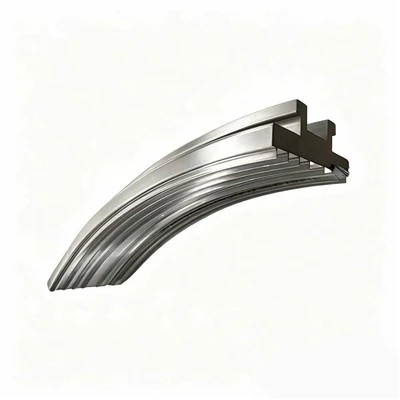
If you are an aircraft engine manufacturer, maintenance provider, or involved in the aviation industry, and you are looking for high – quality aircraft engine seals, we are here to help. Our experienced team can provide you with customized solutions based on your specific requirements. We are committed to providing excellent customer service and ensuring that our products meet your expectations.
Turbine Gland Seal Whether you need piston rings for a piston engine, shaft seals for a jet engine, or any other type of aircraft engine seal, we have the expertise and resources to deliver. Contact us today to start a discussion about how we can meet your needs and contribute to the reliable and efficient operation of your aircraft engines.
References
- Rolls – Royce. (2023). Aircraft Engine Technology Handbook.
- Pratt & Whitney. (2023). Compression System Design in Jet Engines.
- General Electric Aviation. (2023). Sealing Solutions for High – Performance Engines.
Jiangsu Turbine Electric Power Technology Co., Ltd.
As one of the most professional aircraft engine seal manufacturers and suppliers in China, we have world-leading production equipment and strong manufacturing capabilities. Please feel free to buy advanced aircraft engine seal for sale here and get pricelist from our factory. Customized orders are welcome.
Address: Building 8, Huaqi Yungu Xuzhou Lingang Industry Accelerator, Jiawang District, Xuzhou City, Jiangsu Province
E-mail: zjh800@163.com
WebSite: https://www.cnturbine.com/
