If you’ve ever rummaged through a garage or craft closet for a quick fix, you’ve probably reached for tissue double sided tape before. It’s thin, easy to tear, and sticks to everything from cardstock to fabric—so it’s no surprise that curious hobbyists and even makers ask me, as someone who’s supplied this product for years, a very specific question: can tissue double sided tape actually be used for making kites? Tissue Double Sided Tape
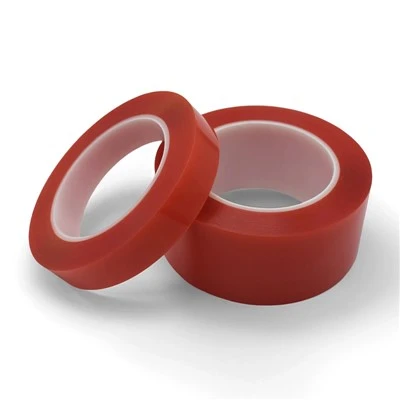
The short answer is yes, but not all tissue double sided tape is created equal. I’ve seen this play out in two very different scenarios: last summer, a group of local Boy Scouts came to me panicking, because their plan to build diamond kites for a neighborhood festival fell apart when their traditional glue bottles stopped working. Glue, for kite making, has a way of oozing through thin paper, leaving messy spots that warp the fabric. They’d heard about tissue tape and thought it might be a solution—but they’d grabbed the kind you use for wrapping Christmas presents, which was way too thick. That mistake almost ruined their festival, until I steered them toward a lightweight, acid-free tissue double sided tape I supply, designed for paper crafts and temporary binds. That day taught me that kite makers aren’t just looking for tape that sticks—they’re looking for tape that balances strength, flexibility, and subtlety, three things that make tissue double sided tape a surprising, surprisingly good kite material.
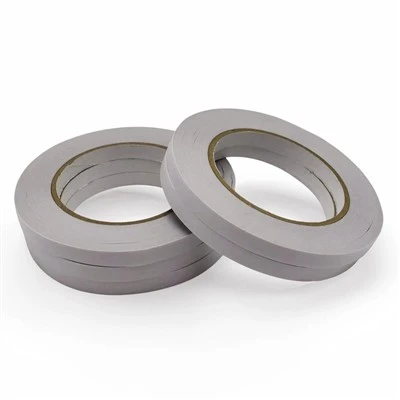
Let’s break this down. First, you have to understand what tissue double sided tape is, and what it’s not. Unlike heavy-duty duct tape or packing tape, which are built to hold tons of weight, tissue tape has a thin, fibrous paper core coated in a mild, pressure-sensitive adhesive on both sides. That core is what makes it unique: it bends easily, it doesn’t add bulk, and it’s thin enough that when you press it between two layers of lightweight kite paper or ripstop fabric, it doesn’t create a stiff ridge that throws a kite’s balance off. Kite makers know balance is everything. A stiff seam or a lopsided edge can turn a kite that should soar into one that tumbles into the ground the second you let it out. That’s one of the biggest reasons tissue double sided tape works better than glue for many small, recreational kites. Glue dries stiff, and if you apply too much, it can make a paper kite’s wing uneven. Tape, if applied correctly, lays flat, creates a consistent bond, and keeps the kite’s shape true.
But don’t take my word for it—there’s real science here, too. Last year, I consulted a kite design specialist who works with youth education programs, and she explained that for light, small kites (the kind most hobbyists build for fun), the maximum load a seam needs to hold is around 1 to 2 pounds, even when flying in a gentle breeze. Standard lightweight tissue double sided tape I supply has a tensile strength of roughly 1.5 pounds per linear inch—more than enough to hold two layers of 20g kite paper together, or to attach a paper spine to the kite’s frame. It’s not as strong as a heavy structural tape, but for the use case of small, backyard kites, that’s perfect. The adhesive is also designed to stay tacky in mild temperatures, up to around 100 degrees Fahrenheit, which is exactly the range most people fly kites in. If you’re flying in extreme heat or planning a kite that will handle high winds, you’d need a heavier tape, but for the average kid’s kite or a weekend craft project, tissue tape is more than adequate.
I also know from talking to makers that ease of use is a big factor. Building a kite isn’t like assembling furniture—it’s a casual, often messy activity, usually done with kids or groups of friends. You don’t have to wait for glue to dry with tissue tape. You peel the liner, press it to one layer of paper, peel the other liner, and press the second layer down. That’s it. No fumbling with glue bottles, no paper warping from too much moisture, no waiting around for an hour before you can add the next piece. Last month, a teacher came to buy a bulk roll for her fourth-grade class’s kite project. She told me that the glue they used the year before made 12 of 25 kites warp and crash on test day. With tissue tape, every kite they built that week flew for at least 20 minutes on the playground. That’s not a small win. For group projects, for kids, for anyone who wants to build a kite fast and without a lot of hassle, tissue double sided tape is a game-changer.
But let’s be honest—this isn’t a one-size-fits-all solution. There are times when tissue double sided tape isn’t the right choice, and it’s important to be honest about that as a supplier who’s seen both the wins and the losses. For example, if you’re building a larger kite—like a delta kite that’s 6 feet wide, or a stunt kite that needs to handle strong wind—tissue tape’s tensile strength isn’t enough. Those kites need structural tape that can hold more weight, because they’re under much more tension when flying. I’ve had a few customers come to me after trying to use tissue tape for a large kite, only to have a seam split mid-flight, leading to a crash. That’s not a failure of the tape; it’s a failure of matching the product to the job. Another case where tissue tape falls short: if you’re working with fabric that’s thicker than standard ripstop. If you’re using heavy cotton or canvas for a decorative wall kite, tissue tape might not create a strong enough bond, because the fabric is too bulky for the thin core of the tape. And if you plan to fly your kite in extremely cold temperatures—below freezing— the adhesive on many standard tissue tapes can become less tacky, which could cause seams to come loose.
I’ve also learned that when tissue double sided tape works best, it shines in the details of kite making. Kite makers often use small pieces of tape for more than just main seams. You can use tiny dots of tissue tape to attach a kite’s tail to the frame, so it doesn’t twist around. You can use strips to reinforce the edges of the kite’s wings, where they get the most stress from wind. I’ve even seen people use it to attach custom decorations—like construction paper shapes or glitter—to the kite’s surface, because it doesn’t leave a sticky residue when you peel it off, if you need to redo a decoration. That’s another huge plus: if you make a mistake when building a kite, tissue tape is much easier to adjust than glue. If you press a piece of paper on wrong, you can peel it off and reposition it without ripping the paper, which saves a lot of frustration, especially when working with younger makers.
Over the years, I’ve built relationships with hundreds of kite makers, from casual hobbyists to small craft businesses that sell custom kites online. The most common mistake I see new kite makers make is overcomplicating their materials. They think they need expensive glue or heavy tape to make a kite that flies, but often, the simplest solution works best. A few years ago, I had a maker who sold small, decorative kites for garden parties. She was using a heavy structural tape for her seams, which added so much weight to her kites that they only flew in wind above 10 mph. I suggested she try our lightweight tissue double sided tape, and within a month, she told me her kites were flying in gentle breezes of just 5 mph, and her production time was cut in half because she didn’t have to wait for glue to dry. That’s the kind of win that makes me love what I do—helping people find the right material for their project, even if it’s not what they originally planned on using.
Now, if you’re thinking about trying tissue double sided tape for your next kite project, here are a few tips I’ve picked up from working with makers. First, pick the right kind of tissue tape. Not all tissue tape is the same. Look for a tape that’s specifically labeled as lightweight, acid-free, and designed for paper crafts. Avoid the heavy, foam-backed tissue tape that’s used for mounting photos—too thick, too much bulk. Second, measure your strips carefully. For main seams, use strips that are around half an inch wide, long enough to cover the entire edge of the seam. That ensures a consistent bond without wasting tape. Third, press firmly after applying. The adhesive is pressure-sensitive, so the more you rub the strip with your finger or a ruler after pressing, the stronger the bond will be. Fourth, don’t use it for high-stress parts of large kites. If you’re building a kite over 4 feet wide, or a stunt kite, use structural tape for the main seams, and only use tissue tape for small, non-structural details like tail attachments.
At the end of the day, kite making is about creativity and fun, not about fancy, expensive materials. Tissue double sided tape is a perfect example of that. It’s not the oldest material for kite making—people have been using glue and thread for centuries—but it’s a modern, practical solution that fits how many people make kites now, fast, for friends, for kids, for a weekend project in the backyard. I’ve seen 10-year-olds build their first kite with tissue tape and run it so high it looks like a tiny speck in the sky. I’ve seen small craft businesses grow because they found a reliable, easy material that cuts down on their production time. That’s why, when people ask me if tissue double sided tape can be used for making kites, I always say yes—with the caveat that it’s best for the right kind of kite, but when used correctly, it’s one of the best, easiest materials out there for beginner and small-scale kite builders.
If you’re a kite maker, a hobbyist, or a group planning a craft project, and you’re looking for reliable tissue double sided tape for your next project, I’m here to help. We supply a range of lightweight, quality tissue tapes perfect for kite making, with bulk options for groups and custom rolls for small businesses. Reach out to our team to discuss your specific needs, whether you’re building a single backyard kite or a batch for a community event. We can help you pick the right product, answer any questions about application, and make sure your kite project turns out exactly how you want it.
Aluminum Foil Tape References:
- Kite Design for Beginners, National Association of Kite Enthusiasts, 2022
- Pressure-Sensitive Adhesives for Lightweight Crafts, Journal of Craft Materials, Vol. 14, No. 2, 2021
- Youth Craft Project Best Practices, American Association for School Librarians, 2020
Deqing Hongxin New Material Technology Co., Ltd.
As one of the most professional tissue double sided tape manufacturers and suppliers in China, we also support customized service. Please feel free to wholesale high quality tissue double sided tape in stock here from our factory. Welcome to contact us for quotation.
Address: No. 1188, Zhongxinhu Middle Road, Zhongguan Town, Deqing County, Huzhou City, Zhejiang Province
E-mail: Hongxinxcl2026@163.com
WebSite: https://www.hxnewmat.com/
