Hey there, fellow pet parents and new pet owners! Let’s cut to the chase – if you’ve ever dealt with a mid-night pee accident on your brand-new carpet, you know how frustrating (and stinky) it is. I’ve been in the pet pee pad game for a minute, running a small supplier that works directly with breeders, vet clinics, and regular pet parents like you, and let me tell you: picking the right pee pad isn’t just about grabbing the cheapest pack off the shelf. It’s about what works for your pet, your space, and your daily routine. Today, I’m breaking down exactly how to pick one that won’t leave you mopping at 2 a.m. (or scrubbing the couch, yikes). Pet Pee Pad
First off, let’s talk about your pet – because at the end of the day, this pad is for them, not just for your laundry. I see so many people pick a random pad and wonder why their pup or cat just… ignores it. Let’s start with size. If you’ve got a Chihuahua, a 16×22 inch pad is totally fine for their tiny bladder, but if you’ve got a Great Dane puppy that’s already the size of a small couch? That’s going to be way too small. They’ll step over it or have an accident on the floor just because there’s not enough space. On the flip side, a giant pad for a teacup Yorkie is just wasting money – and more material means more waste, which is a bummer for the planet too.
Also, think about their potty habits. Do you have a senior dog who struggles with holding it all day, or a litter-trained cat that likes to have room to move? Cats, for example, often want a little extra space to dig (yep, even on pee pads) so a 24×24 inch is better than the tiny ones. For puppies, especially teething ones who like to chew? Skip the super thin, flimsy pads – they’ll tear through them in 10 seconds flat. I’ve had customers come back saying their pup chewed a pad so bad it left plastic bits everywhere, so if you’ve got a chewer, look for pads with reinforced edges or a textured top that’s less fun to gnaw.
Next up: the most important part – absorbency. This is where a lot of cheap pads let you down. You know the ones – you set it down, your pup uses it, and you step in a puddle 10 minutes later because it couldn’t hold more than a tablespoon. That’s not just annoying, it’s unhygienic. When I test pads for our supplier, I measure how much liquid they can hold before leaking – and I’m not talking about a little splash, I’m talking about what a 50-pound dog would produce in one go.
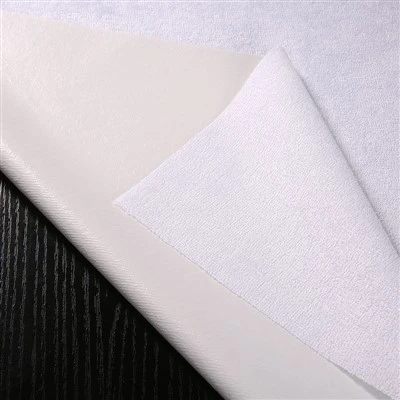
Here’s a pro tip: look for pads with multiple absorbent layers. The best ones have a top layer that pulls liquid away from your pet’s paws (so they stay dry and don’t track it all over the house), a middle core that locks in the liquid (no puddles on the floor), and a back layer that’s leak-proof. Some cheaper pads only have one thin layer, so they’re basically just a piece of plastic with tissue on top – waste of cash, if you ask me. For pets with weaker bladders (like seniors or sick animals), go for ultra-absorbent pads with a gel core that turns liquid into a solid, so you don’t have to change it every hour. I recently had a vet clinic order a bulk pack for a group of senior dogs in their care, and they told us it cut their cleaning time in half – that’s exactly what we’re going for.
Then there’s thickness and texture. Let’s be real, no one wants a pad that feels like a piece of paper. Thicker pads (usually 4 to 6 layers) are more durable and less likely to leak, but if you live in a small apartment, a super thick 6-layer pad might be too bulky to move when you’re cleaning. Texture matters too – a soft, quilted top is way more comfortable for pets than a scratchy one, and it also helps with absorbency because the liquid spreads evenly instead of pooling in one spot.
Wait, what about pets with allergies? I know a lot of people don’t think about this, but some pads have fragrances, chemicals, or synthetic materials that can irritate a dog’s paws or a cat’s skin. Fragranced pads might smell nice to you, but they can be overwhelming for pets with sensitive noses, especially cats who have way more scent receptors than we do. I once had a customer whose cat started sneezing non-stop after using a fragranced pad – switching to an unscented, natural fiber pad fixed it right up. So if your pet has any skin issues or allergies, opt for hypoallergenic, unscented, and made with natural materials like cotton or bamboo instead of harsh synthetics. Those might cost a little more, but it’s worth not dealing with a pet that’s scratching their paws raw.
Now, let’s talk about your space and routine, because that’s half the battle. Are you using pee pads for a puppy who’s still being potty trained? Or for an adult dog who’s home alone all day? For apartment dwellers who don’t have a yard, you might need to change pads multiple times a day, so go for ones that are easy to roll up and dispose of without making a mess. Some pads have adhesive strips on the bottom – game changer! They stick to the floor, so your pup doesn’t drag them around the house when they step on them, which means less cleaning.
If you’re using pads for travel (like in a car or when you’re boarding your pet), go for lightweight, tear-resistant ones that won’t fall apart mid-trip. I’ve had people tell me they’ve used our travel pads on road trips and they’ve held up through stops and starts, which is way better than the thin ones that leak all over your car seat. Also, think about how often you need to use them – if you go through 5 pads a day, bulk packs are way more cost-effective than buying small packs every time. Our supplier offers bulk pricing for breeders, shelters, and regular pet parents who go through a lot, so that’s something to look into if you’re not just using a few pads here and there.
Another thing: leak-proofing for different floors. If you have hardwood floors or laminate, you can’t afford a pad that leaks – one accident can cost hundreds in repairs. So make sure the back layer is actually leak-proof, not just “water-resistant.” I’ve tested pads that say they’re leak-proof but leave a damp spot on my wood floor, so that’s a no-go. For tile or concrete, you have a little more wiggle room, but why risk it? Look for pads with a polyethylene back layer – that’s the stuff that actually keeps liquid from seeping through.
Wait, what about eco-friendliness? I know this isn’t the first thing everyone thinks about, but if you’re going through a lot of pee pads, they’re adding up in landfills. A lot of brands now offer compostable or biodegradable pads made from plant-based materials, which break down way faster than traditional plastic ones. I work with a few suppliers that make these, and a lot of our customers who care about the planet love them. They might be a tiny bit more expensive, but if you’re trying to reduce your carbon footprint, that’s a great option. Just make sure to check that they’re actually compostable – some brands call them “eco-friendly” but they still have plastic in them, so read the label.
Let’s talk about some common mistakes I see people make, just so you can avoid them. First, buying the cheapest pads you can find. I get it, budgets are tight, but the $5 pack of 50 pads? You get what you pay for. Those thin pads leak, your pet might chew through them, and you’ll end up spending more on cleaning supplies than you would on a better pack. Second, picking the wrong size. I had a customer last month who bought tiny pads for her 60-pound lab – he stepped right over them, had accidents on the rug, and she kept wondering why. Once she upgraded to the largest size we offer, everything changed. Third, forgetting about your pet’s specific needs. If you have a chewer, don’t get thin pads – get reinforced ones. If your cat is a digger, get a larger size. One size definitely does not fit all.
Now, a quick word from the supplier side (since that’s what I do, and I want to be honest with you). When we’re developing our pee pads, we don’t just look at cost – we test them with real pets, real households, real accidents. We send samples to breeders and vet clinics to get feedback, because at the end of the day, our pads are for your pets, not just for our bottom line. We offer different sizes, different absorbency levels, unscented and fragranced (though we tell people unscented is better for most pets), and even compostable options for people who care about the planet. We also have adhesive strips on most of our pads, because that’s a small feature that makes a huge difference – no more dragging pads around the house.
At the end of the day, the right pee pad is one that works for you and your pet. It should stop leaks, keep your space clean, be comfortable for your pet, and fit your budget. If you’re not sure which one to pick, or if you want to talk about bulk pricing for your shelter, breeding program, or just for your own home, feel free to reach out to us. We’re here to answer your questions, send free samples if you want to test them, and help you find exactly what you need.
Before I wrap this up, let’s do a quick recap so you don’t have to scroll back:
- Match size to your pet – no too small, no too big.
- Prioritize absorbency with multiple layers – avoid thin, cheap pads.
- Check for hypoallergenic, unscented options if your pet has sensitivities.
- Think about your space – adhesive strips for floors, lightweight for travel, bulk packs for regular use.
- Consider eco-friendly if you want to reduce waste.
Picking a pee pad doesn’t have to be overwhelming. It’s just one small part of keeping your pet happy and your home clean, and when you get it right, it makes potty training, senior care, or just busy days way less stressful. If you have any questions about our pads, or if you need help ordering bulk for your organization, don’t hesitate to connect with our team – we’re here to help.
Pet Pee Pad References:
- American Veterinary Medical Association. (2022). Potty Training Tips for Dogs and Cats. AVMA.org.
- Journal of Feline Medicine and Surgery. (2021). Environmental Enrichment for Indoor Cats. SAGE Journals.
- Humane Society of the United States. (2023). Pet Care Supplies: Choosing Safe, Effective Products. HumaneSociety.org.
- Pet Products Association. (2022). Annual Guide to Pet Care Products. PPA.org.
Jiangsu Etang Household Products Co., Ltd.
We are one of the most professional pet pee pad manufacturers and suppliers in China. With abundant experience, we warmly welcome you to buy bulk premium pet pee pad made in China here from our factory. All customized products are with high quality and competitive price. Contact us for pricelist.
Address: No. 18 Nanhai Road, Siyang Economic Development Zone, Siyang County, Suqian City, Jiangsu Province
E-mail: etang216@js-et.com
WebSite: https://www.etangbedding.com/
